
Introduction
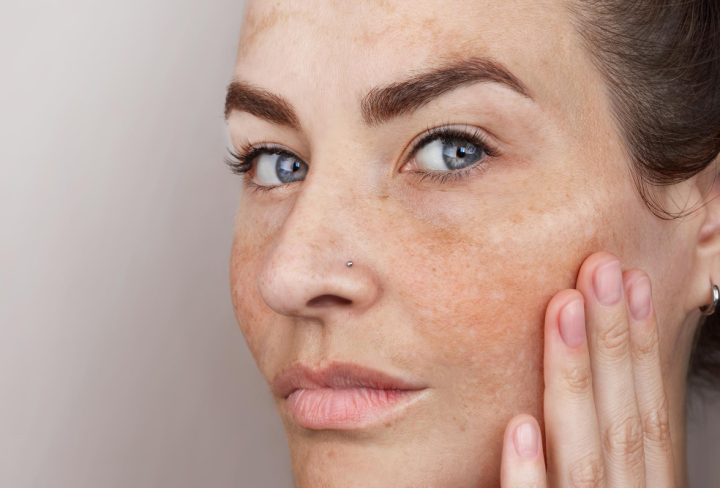
Melasma is a common skin condition. It causes brown or gray patches, usually on the face. Many people notice melasma on their cheeks, forehead, nose, or upper lip. Although melasma is not harmful, it can affect self-confidence. For some, these patches may become darker over time. Because of this, many people look for melasma treatment options. Understanding melasma can help you manage and prevent it.
Symptoms of Melasma
Melasma symptoms are easy to spot. Most often, you will see flat, dark patches on the skin. These patches are usually:
Sometimes, melasma can appear on the neck or arms. However, this is less common. The patches do not itch or hurt. Still, they can cause emotional stress for many people.
Causes and Risk Factors
Melasma develops when skin cells make too much pigment. This pigment gives skin its color. Several factors can trigger melasma. For example, sun exposure is a major cause. Ultraviolet (UV) rays can make melasma worse. In addition, hormones play a big role. Many women get melasma during pregnancy. Birth control pills and hormone therapy can also trigger it.
Other risk factors include:
While anyone can get melasma, it is more common in women than men.
Diagnosis Methods
Doctors can usually diagnose melasma by looking at your skin. Sometimes, they use a special light called a Wood’s lamp. This helps them see how deep the pigment is. In rare cases, a skin biopsy may be needed. This means the doctor takes a small sample of skin to check under a microscope. However, most people do not need this test. Early diagnosis helps you find the best ways to manage melasma.
Treatment Options
There are several melasma treatment options. Your doctor may suggest one or more of the following:
Because melasma can return, ongoing care is important. Not all treatments work for everyone. Therefore, it is best to talk to a dermatologist about your options.
Prevention Tips
While melasma cannot always be prevented, you can lower your risk. Here are some tips on how to prevent melasma:
By following these steps, you can help protect your skin from melasma.
Living with Melasma
Living with melasma can be challenging. However, many people find ways to manage it. For example, using makeup can help cover dark patches. Choosing gentle skin care products can prevent irritation. In addition, regular visits to a dermatologist can help track changes. Support from friends and family also makes a difference. Remember, melasma is common and treatable. With the right care, you can feel confident in your skin.
Conclusion
Melasma is a common skin condition that affects many people. Although it is not harmful, it can impact your self-esteem. There are many melasma treatment options and ways to prevent melasma. If you notice dark patches on your skin, consult a dermatologist for personalized advice. Early care can help you manage and reduce melasma effectively.